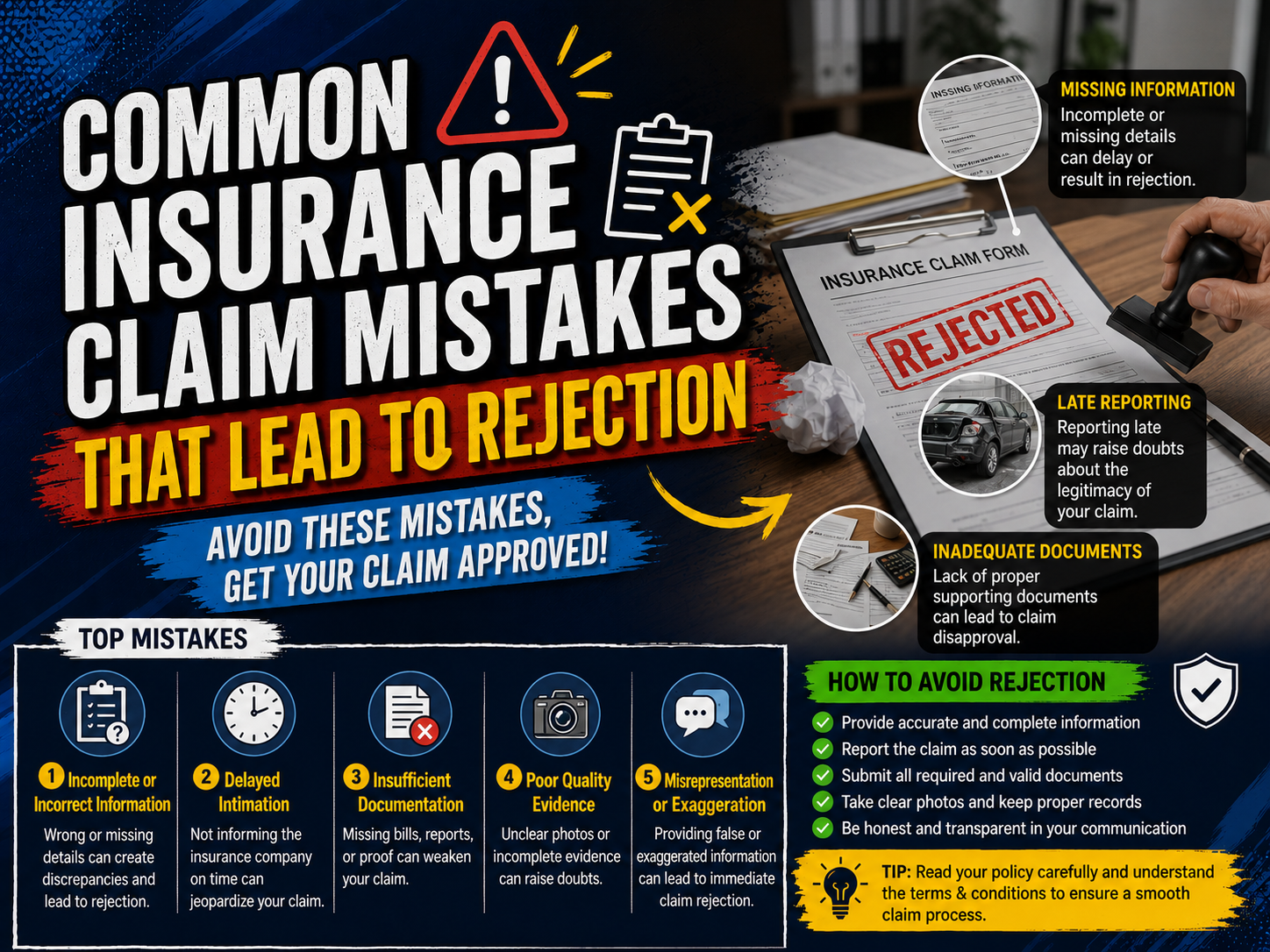

In this article, we will explore some of the common insurance claim mistakes that can lead to rejection. Understanding these mistakes is vital for anyone making a claim, as it will help you avoid potential pitfalls. It’s essential to be aware of these issues, as they may save you a lot of hassle in the future. Stay tuned as we dive deeper into the topic.
Table of Contents:
- 1. Failing to Provide Complete Information
- 2. Not Understanding Policy Coverage
- 3. Missing Deadlines and Timelines
- 4. Inaccurate Damage Assessment
- 5. Lack of Documentation and Evidence
- 6. Failing to Report Claims Promptly
- 7. Miscommunication with the Insurance Adjuster
- 8. Ignoring Insurance Adjuster Recommendations
Please continue reading to gain a better understanding of these critical issues. Each point discussed will provide insights on how to navigate the complex world of insurance claims. It’s important to be informed, especially considering how these common mistakes can significantly impact your claim outcomes. By the end of this article, you will be equipped with the knowledge to avoid rejection and ensure a smoother claim process.
1. Failing to Provide Complete Information
Failing to provide complete information is one of the most common mistakes that can lead to the rejection of an insurance claim. When submitting a claim, it is crucial to include all necessary details, such as relevant dates, locations, and descriptions of the incident. Incomplete information can create confusion, and it can be viewed as an attempt to mislead the insurance provider. Therefore, always double-check your documentation to ensure that nothing is overlooked, as this can significantly impact your claim’s approval.
- Ensure all requested documents are submitted.
- Be clear and concise in your descriptions.
- Include any supporting evidence, like photographs or witness statements.
- Provide accurate and up-to-date contact information.
- Check for any deadlines on submitting your claim.
- Consult with an expert if you are unsure about the required information.
- Keep copies of all correspondence and documentation.2. Not Understanding Policy Coverage
2. Not Understanding Policy Coverage
One of the most common mistakes that policyholders make is not understanding their insurance policy coverage. Many individuals purchase insurance policies without fully grasping what is covered and what is excluded. This lack of understanding can lead to unexpected claim denials when they need to file a claim.
For instance, some policies may have specific restrictions or conditions that apply, which can affect the outcome of a claim. It is crucial for policyholders to carefully read and comprehend the terms and conditions of their policies. Failing to do so can result in costly mistakes that may ultimately jeopardize financial protection.
In addition, policyholders often overlook the importance of communicating with their insurance agents to clarify any doubts regarding coverage. Regular reviews of the policy can help to ensure that policyholders are aware of any changes and are adequately protected. Being proactive in understanding policy coverage is essential in avoiding claim rejections.
3. Missing Deadlines and Timelines
One of the most common pitfalls in the insurance claims process is missing deadlines. Many claimants fail to submit necessary documentation or report incidents within the timeframe required by their insurance policy. This lag can lead to claim rejections, causing unnecessary stress and financial burden. It is essential to familiarize yourself with your insurer’s specific timelines and adhere to them rigorously. Staying organized and setting reminders can be beneficial in ensuring that all paperwork is submitted promptly.
- What are the typical deadlines for filing an insurance claim?
- How can I track important dates in my claims process?
- What happens if I miss a deadline?
- Are there any exceptions to the deadlines in certain situations?
- Can I appeal a rejection based on a missed deadline?
4. Inaccurate Damage Assessment
One of the most common mistakes individuals make when filing an insurance claim is providing an inaccurate assessment of the damages incurred. This can result in the rejection of the claim, as insurance companies rely on precise documentation to determine the extent of losses. Underestimating or overestimating damage can lead to complications, especially if the insurance adjuster has a different evaluation of the incident. To avoid such issues, always ensure that you have detailed evidence, such as photographs and receipts, to support your claim.
- What happens if I overstate my claim?
- Should I hire a professional for damage assessment?
- How can I accurately document my damages?
- What if I missed some damages during my initial assessment?
- Can my claim be rejected if I provided an estimated damage amount?
5. Lack of Documentation and Evidence
One of the most common mistakes that policyholders make when filing insurance claims is failing to provide adequate documentation. Insurance companies rely heavily on evidence to assess the validity of a claim. Without proper evidence, claims can be dismissed or significantly delayed. Therefore, it is crucial to maintain a comprehensive record of all relevant documents.
Importance of Detailed Records
Having detailed records can greatly simplify the claims process. This includes photos, receipts, and statements from witnesses. A well-documented claim facilitates an efficient review by the insurance adjusters, increasing your chances of approval.
Common Types of Documentation
Here are some common types of documentation that should be included with your claim:
- Police reports
- Medical records
- Repair estimates
- Previous communications with the insurance company
Documentation Tips
To enhance your claim’s strength, consider the following tips:
- Keep copies of all submitted documents.
- Organize files chronologically.
- Document conversations with claims adjusters.
Potential Consequences of Insufficient Evidence
Insufficient documentation can lead to severe consequences. Claims might be partially paid, denied, or subjected to further scrutiny. Furthermore, the lack of evidence can potentially lead to legal disputes or complications during the claims process.
6. Failing to Report Claims Promptly
One of the most common insurance claim mistakes that lead to rejection is failing to report claims promptly. Timeliness is crucial when it comes to processing insurance claims. Delays can lead to complications, and in some cases, your insurer may deny your claim entirely. It is important to understand the specific time frames outlined in your policy for reporting incidents, as missing these deadlines can jeopardize your claim. Moreover, providing accurate information at the time of reporting is essential to facilitate a smooth claims process.
- Understand your policy’s claim reporting timeline.
- Document the incident as soon as it occurs.
- Gather all necessary information to support your claim.
- Notify your insurance company without unnecessary delays.
- Keep copies of all communications regarding your claim.
- Be prepared for follow-up questions from your insurer.
- Review your claim before submission to ensure accuracy.
7. Miscommunication with the Insurance Adjuster
Miscommunication with the insurance adjuster can often lead to misunderstandings and ultimately rejection of your claim. It’s critical to clearly convey your situation and provide all necessary documentation to support your claim. When vital information is lost in translation, it may appear that you are being uncooperative or not fulfilling your requirements, leading to potential denial of your claim. Be sure to ask questions and confirm details during your conversations with the adjuster.
- Ensure all documentation is clear and complete.
- Establish open lines of communication.
- Confirm conversations and agreements in writing.
8. Ignoring Insurance Adjuster Recommendations
One of the critical mistakes often made during the insurance claim process is ignoring the recommendations provided by insurance adjusters. These professionals are trained to assess claims and offer guidance that aligns with the insurance policy’s stipulations. By disregarding their advice, claimants may inadvertently jeopardize their claims.
Furthermore, adjusters possess extensive knowledge about the claims process and understand what documentation is necessary to support a claim effectively. Not following their directions can lead to incomplete submissions, ultimately resulting in claim denial. It is essential for claimants to fully engage with adjusters and ask questions if any aspect of their guidance is unclear.
In conclusion, adhering to the recommendations put forth by insurance adjusters is vital for a successful claim. By doing so, claimants increase their chances of receiving the compensation they are entitled to. Ignoring the expertise of insurance adjusters can lead to unfortunate claim rejections.
As we reflect on these common mistakes, remember that being proactive and informed throughout the claims process can make all the difference. Proper communication and understanding can foster a smoother experience for everyone involved.
We encourage you to always stay connected and continue learning about the intricacies of insurance claims. Baca juga artikel lainnya for more insights.
Thank you for reading, and we hope to see you again in our next intriguing article.

Leave a Comment