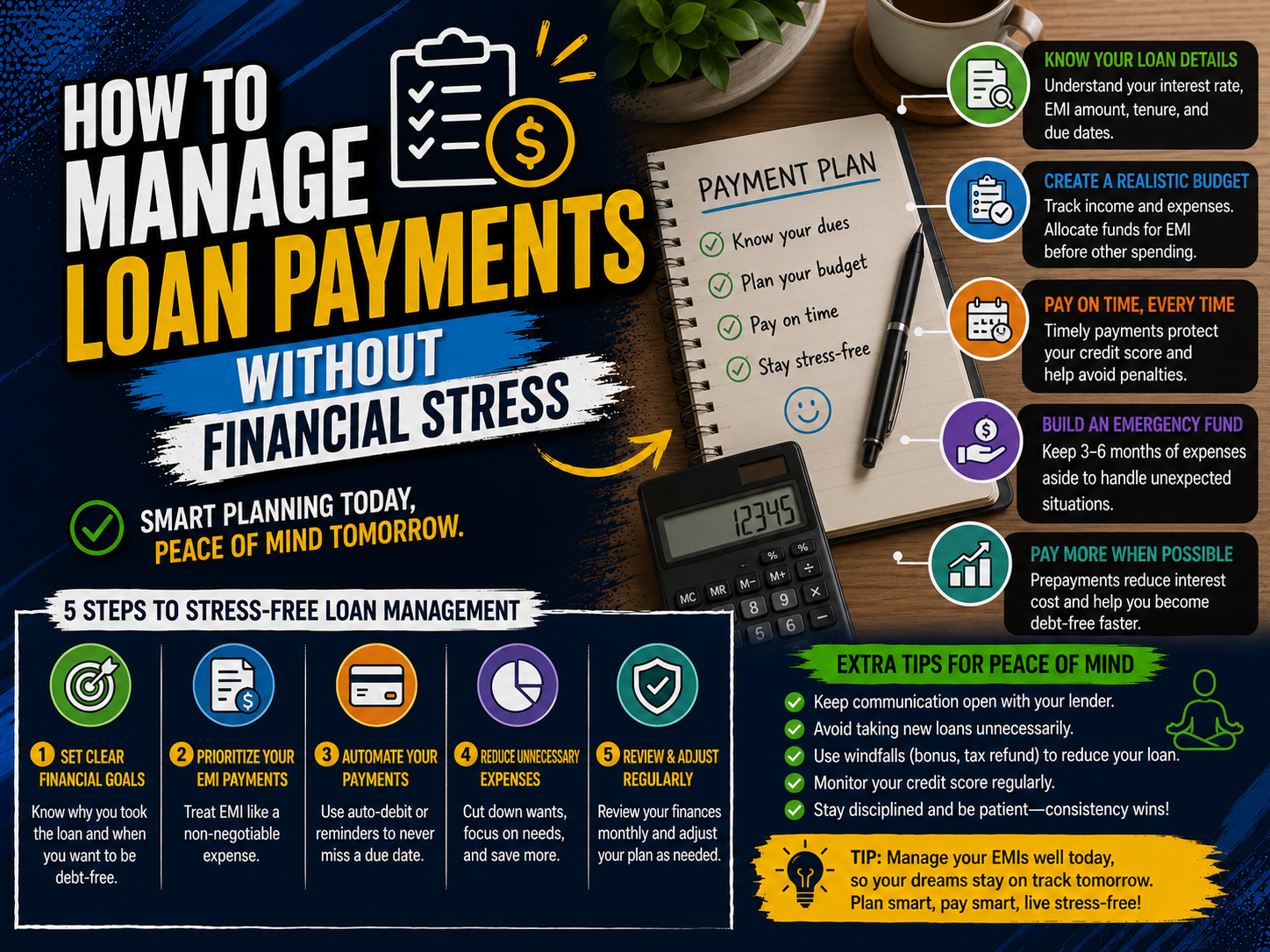

How are you? In today’s financial landscape, managing your loan payments is crucial to avoid burdensome stress. To help you through this process, we will share effective strategies that highlight how to manage your loan payments and ensure a healthy financial life. Remember, with the right approach, you can navigate your obligations and maintain peace of mind while making those important payments.
Table Of Content:
- Understanding Your Loan Type for Better Management
- Creating a Structured Payment Plan
- Prioritizing Payments to Avoid Overwhelm
- Exploring Refinancing Options to Reduce Payments
- Staying Informed About Your Financial Health
- Seeking Professional Guidance When Necessary
Now that you have reviewed the table of contents, feel free to continue reading to gain valuable insights on how to manage your loan payments without financial stress. Implementing these strategies can help streamline your financial obligations, leaving you with more time to focus on your personal goals and reduce anxiety related to finances. Let’s dive deeper into each section and empower your financial journey!
Understanding Your Loan Type for Better Management
Managing loan payments effectively requires a clear understanding of the different types of loans available in the market. Each loan type comes with its unique characteristics, benefits, and challenges. By recognizing these differences, borrowers can make informed decisions that can help minimize financial stress.
Types of Loans
There are several common types of loans, each designed for specific needs:
Secured vs. Unsecured Loans
Secured loans are backed by collateral, which means they typically come with lower interest rates but the risk of losing the asset if repayments are not made. On the other hand, unsecured loans do not require collateral, which can make them more accessible but often come with higher interest rates.
Fixed-rate vs. Variable-rate Loans
With fixed-rate loans, the interest rate remains constant throughout the loan term, providing predictable monthly payments. In contrast, variable-rate loans may fluctuate with market conditions, which can lead to significant changes in payment amounts over time.
Table of Understanding Loan Types
| Loan Type | Secured | Unsecured | Fixed-rate | Variable-rate |
|---|---|---|---|---|
| Interest Rates | Lower | Higher | Stable | Fluctuating |
| Collateral Required | Yes | No | No | No |
| Risk of Asset Loss | Yes | No | No | No |
Importance of Understanding Loan Types
<
Creating a Structured Payment Plan
Managing loan payments can be a daunting task, especially when trying to avoid financial stress. One effective way to ensure timely payments is by creating a structured payment plan. This plan not only helps in staying organized but also enables you to allocate your finances towards necessary expenses systematically.
Benefits of a Structured Payment Plan
A structured payment plan can provide numerous benefits, including:
| Benefit | Explanation |
|---|---|
| Clarity | A clear outline of due dates and amounts owed reduces confusion. |
| Reduced Anxiety | Knowing when payments are due helps decrease financial stress. |
| Budgeting | Facilitates better budgeting by allowing you to plan your expenses around payment dates. |
Steps to Create Your Payment Plan
To create an effective payment plan, follow these steps:
- List all your loans, including amounts owed and interest rates.
- Prioritize loans based on interest rates and urgency.
- Set up a monthly budget allocating specific amounts for each loan payment.
- Track your progress and adjust the plan as necessary.
Prioritizing Payments to Avoid Overwhelm
Managing loan payments can often feel overwhelming, especially when multiple obligations arise simultaneously. To stay on top of your financial responsibilities, it’s essential to prioritize payments effectively. By determining which loans are most critical, you can prevent late fees and negative impacts on your credit score.
Identifying High-Interest Loans
Start by examining the interest rates associated with each loan. High-interest loans typically cost you more over time, making them a priority. Make sure to allocate extra funds towards these loans whenever possible, to decrease your burden and reduce stress.
Assessing Payment Schedule
Another important aspect is to keep track of the payment schedules. Create a calendar that details when payments are due to avoid missing any deadlines. This organization can help you plan your monthly budget around these dates and relieve some pressure.
Considering Minimum Payments
It’s crucial to make at least the minimum payments on all loans to avoid penalties. Prioritize essential living expenses and allocate any remaining funds effectively to ensure you don’t fall behind.
Creating a Visual Payment Plan
Visual aids can be beneficial for managing payments. Consider creating a table that lists all your loans with their respective due dates and amounts. This can help you visualize your obligations:
| Loan Type | Due Date | Amount |
|---|---|---|
| Student Loan | 1st of March | $250 |
| Car Loan | 15th of March | $300 |
| Credit Card | 20th of March | $150 |
By systematically prioritizing payments and creating a structured plan, you can better manage your loans, easing financial stress and leading to a more positive financial future.
Exploring Refinancing Options to Reduce Payments
When it comes to managing loan payments without financial stress, exploring various refinancing options can be a game changer. Refinancing allows borrowers to replace their existing loan with a new one that typically has better terms, such as a lower interest rate. This process can lead to significant savings on monthly payments, making it easier to handle financial obligations. However, it’s essential to evaluate the advantages and drawbacks before proceeding.
- Understanding your current loan terms
- Assessing your credit score
- Researching potential lenders
- Calculating potential savings
- Considering loan fees associated with refinancing
- Investigating government refinancing programs
- Consulting with a financial advisor
- Weighing the long-term benefits against short-term costs
- Setting a clear budget post-refinance
Staying Informed About Your Financial Health
Managing loan payments can be a daunting task, often leading to significant financial stress. One of the best ways to combat this is by staying informed about your financial health. Regularly reviewing your financial status allows you to understand your cash flow, monitor debt levels, and plan for upcoming expenses. By keeping an eye on your finances, you can avoid surprises that may result in late payments or increased debt.
Understanding Your Financial Position
Understanding your financial position entails knowing your income, expenses, savings, and debts. This knowledge enables you to make informed decisions about your loan payments.
Comparison of Loan Payment Strategies
There are several strategies for managing loan payments effectively. Below is a comparison table outlining some common approaches:
| Strategy | Advantages | Disadvantages |
|---|---|---|
| Payment on Due Date | Prevents late fees | Can lead to cash flow issues |
| Paying More Than Minimum | Reduces overall interest | Requires more initial cash |
| Debt Snowball Method | Motivating as smaller debts are paid first | May not be the fastest way to save on interest |
| Debt Avalanche Method | Minimizes interest payment | Requires discipline |
By evaluating which strategy aligns best with your financial goals, you can manage your loan payments with greater ease and reduce potential stress.
Seeking Professional Guidance When Necessary
Managing loan payments can often feel daunting, causing significant stress for many individuals. However, it’s important to remember that you don’t have to navigate these financial waters alone. Seeking professional guidance can be a beneficial step in managing your debt effectively and alleviating financial pressure.
Financial advisors and counselors can offer personalized advice tailored to your specific situation, helping you develop a realistic plan for repayment. They can also assist in assessing your overall financial health, identifying areas for improvement, and providing strategies to better manage expenses.
In conclusion, don’t hesitate to seek help when needed. Professional guidance can provide you with the tools and confidence to tackle your loan payments without experiencing stress. As the saying goes, “It’s okay to ask for help; it doesn’t mean you’re weak – it means you’re wise.”“It’s okay to ask for help; it doesn’t mean you’re weak – it means you’re wise.”
Remember, the journey towards financial stability doesn’t have to be traveled alone. Utilizing the knowledge of professionals can pave the way for a brighter financial future. Until we meet again in another interesting article, thank you!
Leave a Comment